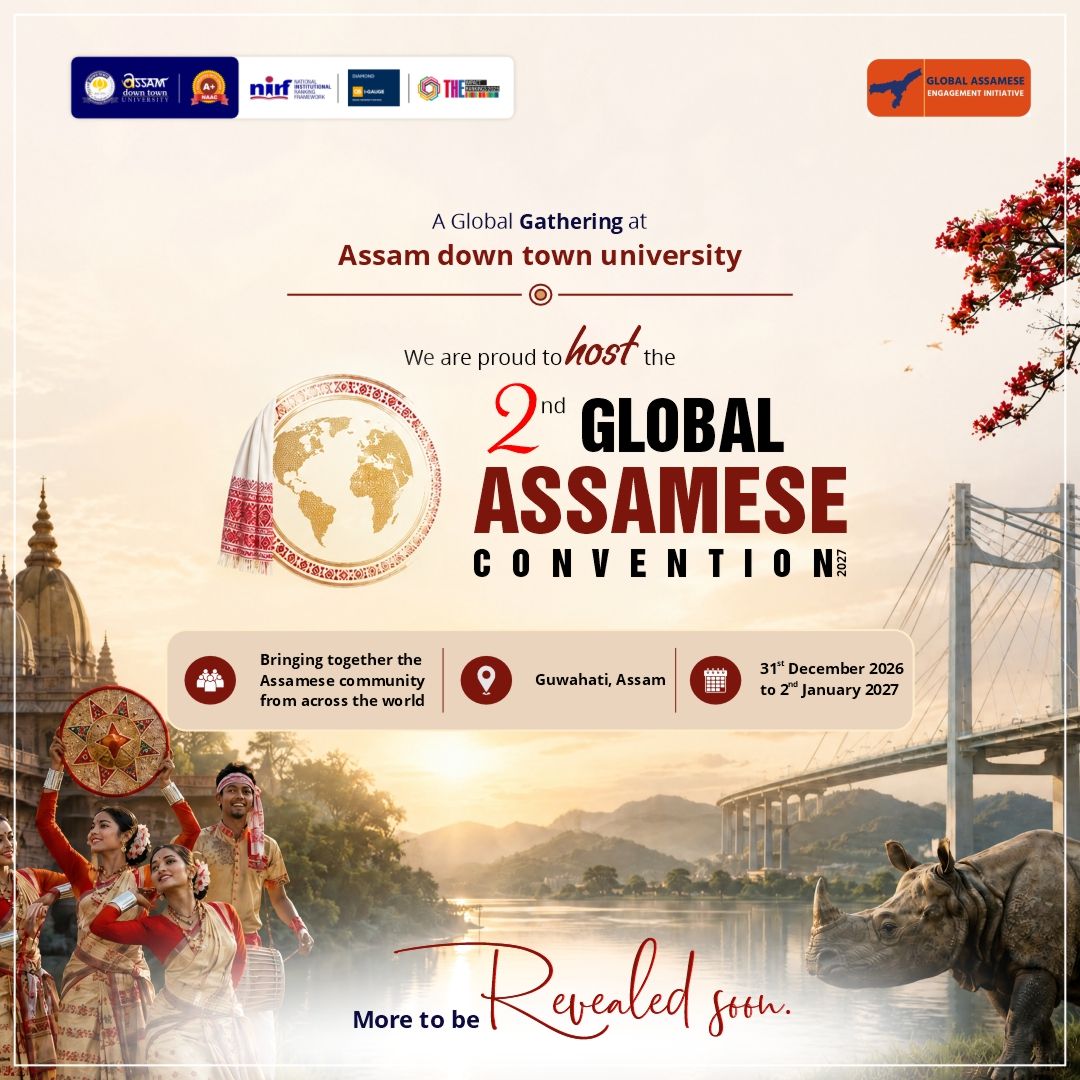
2nd GLOBAL ASSAMESE CONVENTION 2027 | AdtU
31st Dec 2026


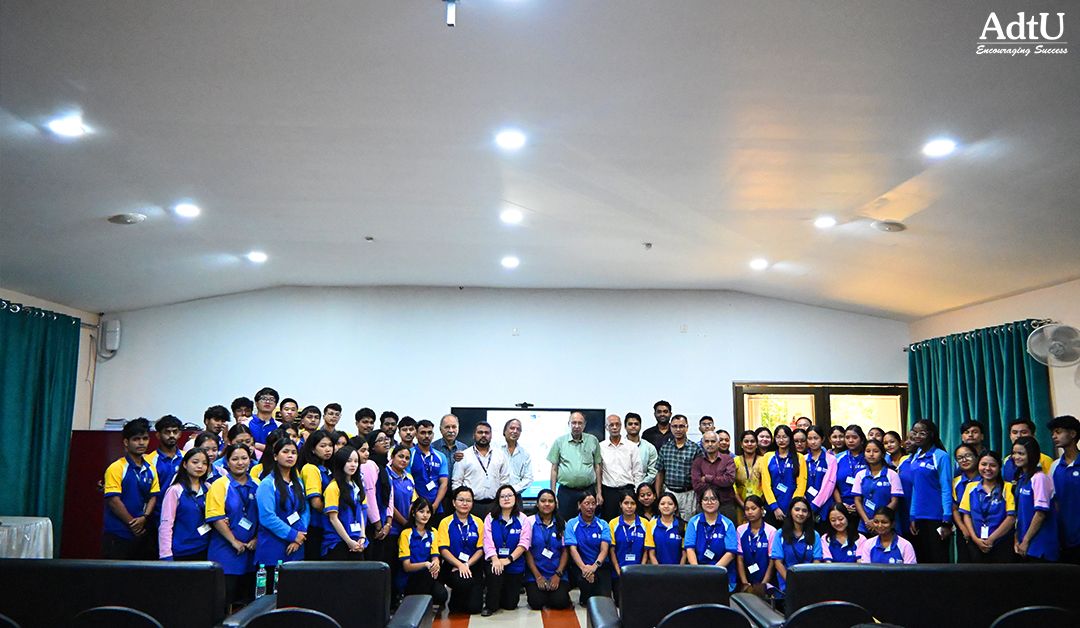
Assam down town University organised a Popular Talk Series under the Faculty of Science, hosted by the Programme of Biotechnology.
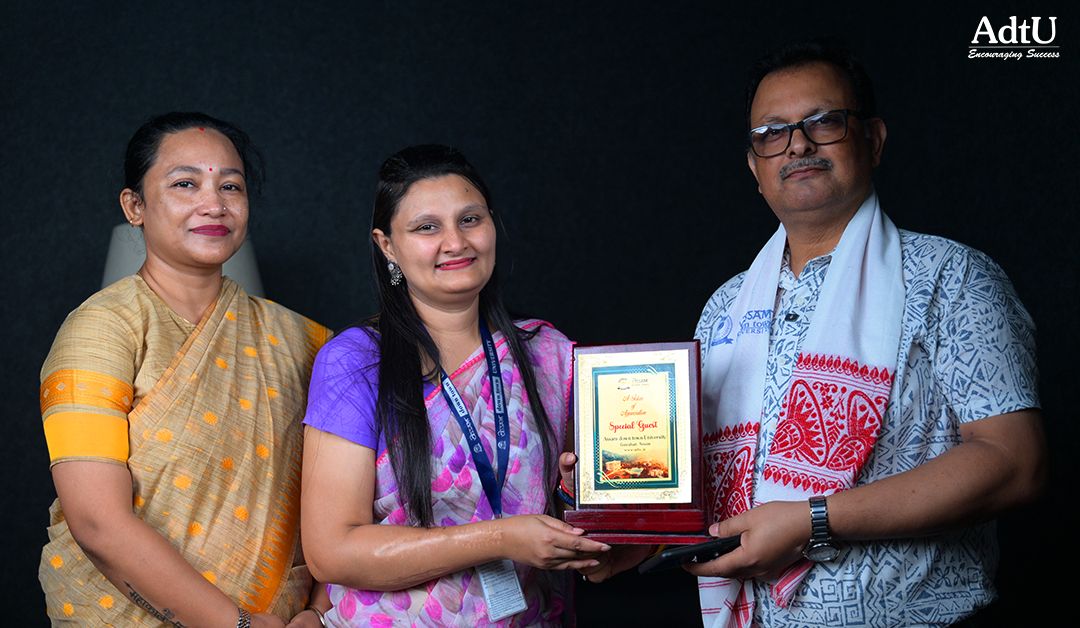
The program began with an inaugural address by Dr. Manash Sarma, Dean, Faculty of Science, who formally welcomed the gathering. In his opening remarks, he highlighted the importance of popular scientific talks in bridging classroom learning with advanced research and motivating young minds towards scientific inquiry. He also spoke about his distinguished academic and research journey, particularly his pioneering work in cancer biology, stem cell biology, and tumor evolution. He emphasized Dr. Bikul Das’s innovative approach to understanding cancer as a cooperative and adaptive system, which challenges conventional mutation-centric perspectives.
The keynote session was delivered by Dr. Bikul Das, Founder Director and Senior Scientist, KaviKrishna Laboratory, IIT Guwahati, India, and Thoreau Laboratory for Global Health, University of Massachusetts, Lowell, USA, on the topic “From Stem Cell Altruism to Tumor Self-Identity: Rethinking Cancer as a Cooperative System.”
The talk was both engaging and thought-provoking, as Dr. Das shared compelling examples from his own experimental research to explain how cancer cells evolve, adapt, and interact within their microenvironment, offering a fresh and holistic perspective on tumor biology.
Dr. Das also discussed the major challenges in current cancer management, including the high cost of treatment and the severe side effects associated with conventional chemotherapy. While acknowledging chemotherapy as a widely used therapeutic option, he highlighted its limitations and stressed the need for alternative and more targeted treatment strategies.
The key learnings from the session included the role of stem cell altruism in shaping tumor self-identity and cancer progression, the ability of experimental research to redefine traditional concepts of cancer biology, the limitations of existing cancer therapies due to cost and toxicity, and the promising future of stem cell–based targeted treatments.