The green initiatives at Assam down town University (AdtU) aim to integrate sustainability into the campus’s operations, enhance energy and resource utilization efficiency, manage waste responsibly, and foster environmental awareness. The key objectives include reducing the carbon footprint, and water credits promoting renewable energy, improving waste management, conserving water, and engaging the university community in eco-friendly practices. These initiatives are grounded in principles of environmental stewardship, sustainability, and responsible resource management.
Assam down town University faced several environmental challenges due to its geographical setting and rapid growth. The hilly terrain posed unique issues for infrastructure development, while high energy consumption and waste management concerns compounded the environmental impacts. As the student population and campus infrastructure expanded, the need for sustainable practices became increasingly important. The university aimed to tackle these challenges by implementing comprehensive green initiatives designed to integrate sustainability into daily operations and serve as a model for other institutions in the region.
The Green Initiatives at AdtU encompass a holistic approach to increasing environmental sustainability. Key practices include:
Energy Efficiency: The University replaced incandescent bulbwith energy-efficient LED bulbs and installed solar panels on the rooftops of A-Block and B-Block, generating approximately 26,500 to 27,500 kWh of solar energy annually. The University has installed sensor-based lighting to cut down on conventional electricity used. Power efficient BLDC fans has replaced the conventional fans. Solar street lights further enhance sustainability and safety on campus. A biogas plant processes organic waste from the hostel kitchen, mess, and canteen, producing biogas used for cooking.
Wheeling to the Grid: Assam down town University has implemented the Wheeling to Grid system through their 100kWp Rooftop Solar Power Plant. This initiative is part of the university's commitment to sustainable energy and reducing its carbon footprint. The system allows the university to generate renewable energy through solar panels installed on the rooftops of various buildings. The energy generated by these solar panels is connected to the local electricity grid. The term "wheeling to grid" refers to the process of transferring the generated solar power to the main power grid, allowing the university to contribute to the overall energy supply while potentially receiving credits for the power supplied. This system not only supports the university’s energy needs but also promotes the use of clean energy, reducing dependency on non-renewable energy sources. It also helps in lowering electricity costs and minimizing the university's environmental impact. Overall, the implementation of Wheeling to Grid at Assam down town University is a significant step towards sustainable energy management.
Waste Management: AdtU implements solid, liquid, biomedical and e-waste management systems. Separate dustbins for dry and wet waste, a Sewage Treatment Plant (STP) for wastewater treatment, and collaboration with authorized e-waste recyclers ensure responsible waste disposal. The university also operates a vermicomposting site with a capacity of 960 kilograms, turning organic waste into nutrient-rich compost.
Water Conservation: A rainwater harvesting system collects and filters rainwater from rooftops, recharging the 14 underground open borewell thereby enhancing the ground water table.
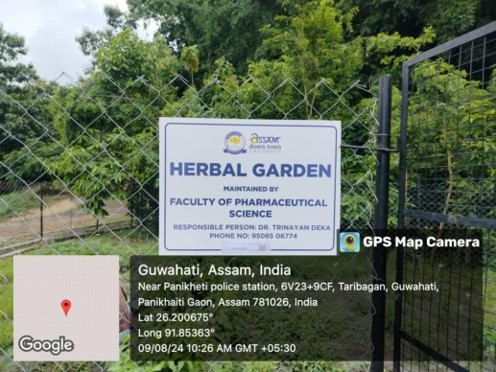
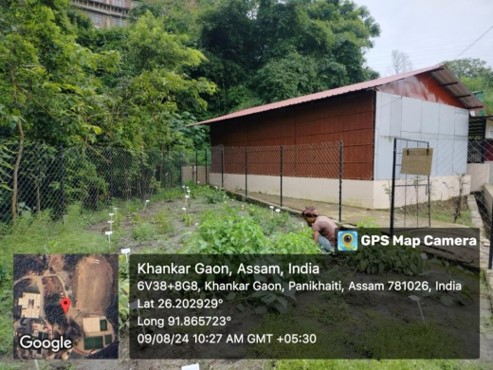
Sustainable Landscaping: The Miyawaki Forest, Rubber Tree Garden,Medicinal Garden, and Herbal Garden contribute to increasing green cover, biodiversity, and environmental education on campus.
Sustainable Transportation: The use of electric vehicles and promotion of carpooling reduce carbon emissions.
Environmental Education: Workshops, seminars, and student involvement in green projects foster awareness thereby inculcating a culture of sustainability.
Paperless Initiatives: The University encourages digital documentation and communication through E-Governance portal to reduce paper usage. To further minimize paper waste, AdtU organizes workshops focused on creative uses for discarded paper, such as crafting decorative items.
The implementation of these green initiatives has led to measurable improvements in sustainability on campus. Energy consumption has decreased significantly due to the transition to LED lighting and solar energy, with the solar panels generating around 27,000 kWh annually. The Wheeling to Grid system allows the university to contribute renewable energy to the local grid, further enhancing its sustainability efforts. The biogas plant has reduced organic waste by converting it into usable energy, while the vermicomposting site processes organic waste into high-quality compost. The rainwater harvesting system effectively recharges groundwater, and the STP ensures safe wastewater treatment. These results indicate that AdtU’s commitment to sustainability is yielding positive outcomes, aligning with global environmental goals and setting a benchmark for other institutions.
Challenges in implementing these initiatives included the initial cost of infrastructure, such as solar panels and biogas plants, and the need for ongoing maintenance and monitoring. The university had to invest in specialized training for staff to manage the biogas plant, STP, and other systems. Additionally, raising awareness and changing behaviors among students and staff required sustained efforts through education and engagement initiatives. Financial resources, technical expertise, and continuous community involvement were crucial to overcoming these challenges.
The Green Initiatives at AdtU can serve as a model for other institutions seeking to integrate sustainability into their operations. The university's approach highlights the importance of aligning environmental goals with educational objectives, fostering a culture of sustainability that extends beyond the campus. Institutions looking to adopt similar practices should consider starting with small, manageable projects and gradually scaling up, ensuring community involvement at every stage.
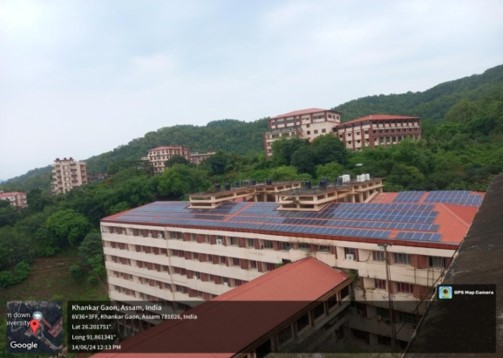
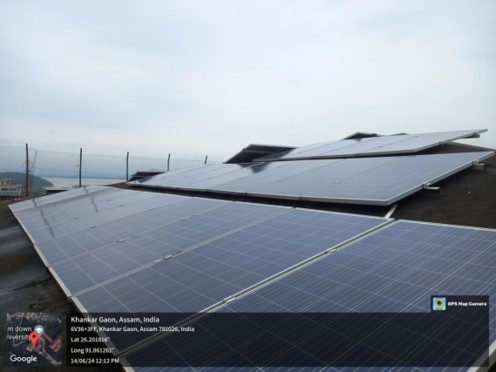
AdtU has installed solar panel in the university campus A-Block and B-Block building as a step towards sustainability, to reduce carbon foot print and to promote clean energy. The rooftop solar PV power plant of capacity 100 kWp had been installed on the rooftops of A Block and B-Block. AdtU generates 26,500 to 27,500 kWh solar energy every
A-block rooftop Solar Panel
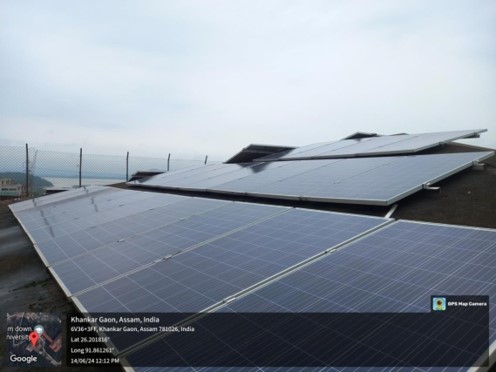
B-Block Rooftop Solar Panel
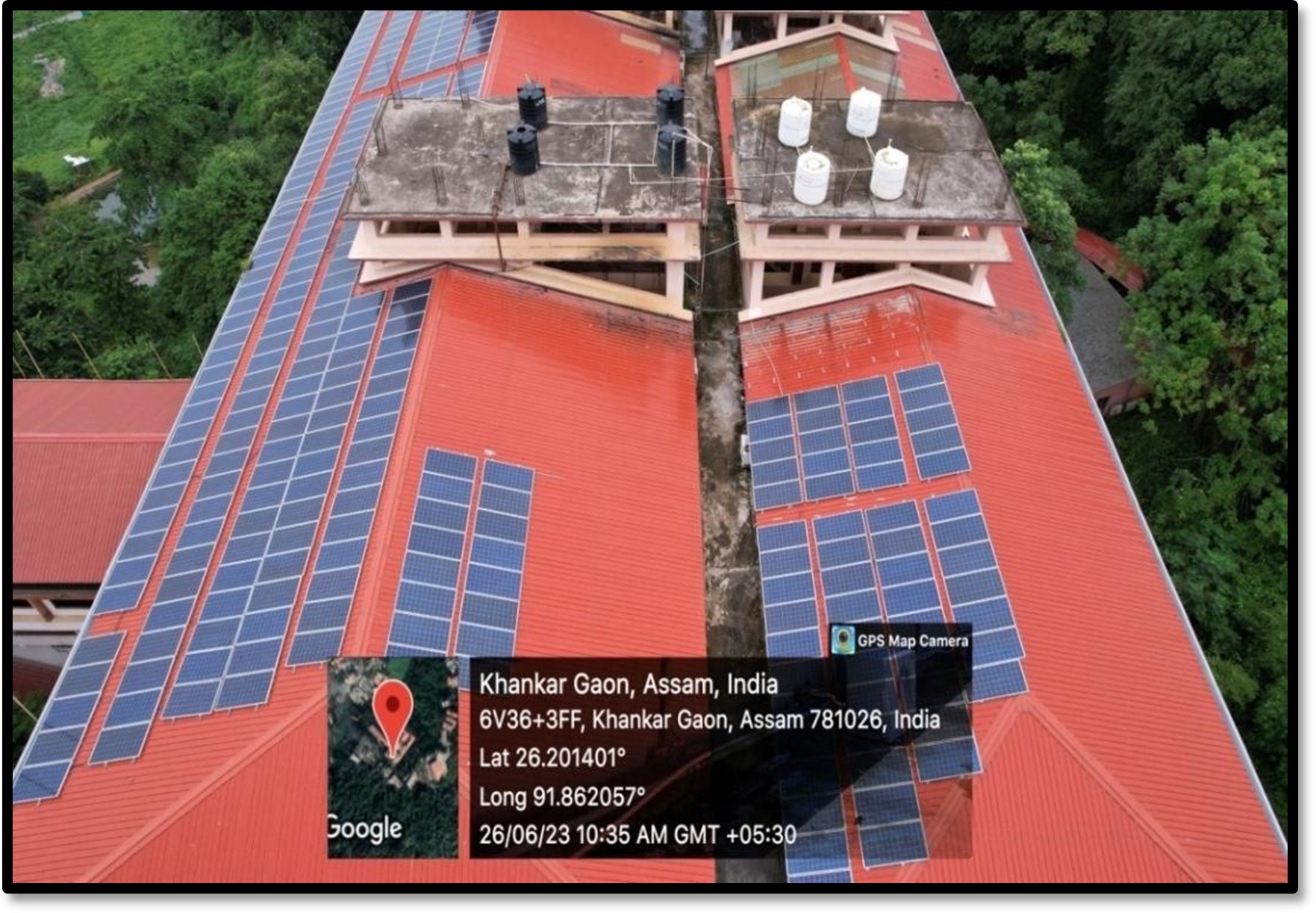
B-block rooftop Solar Panel
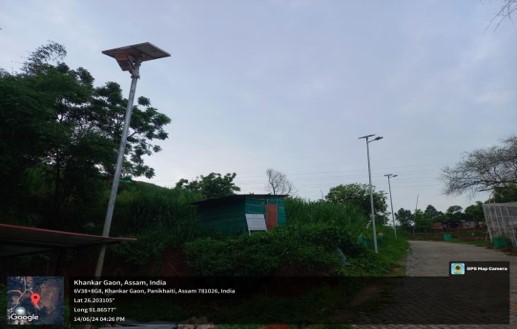
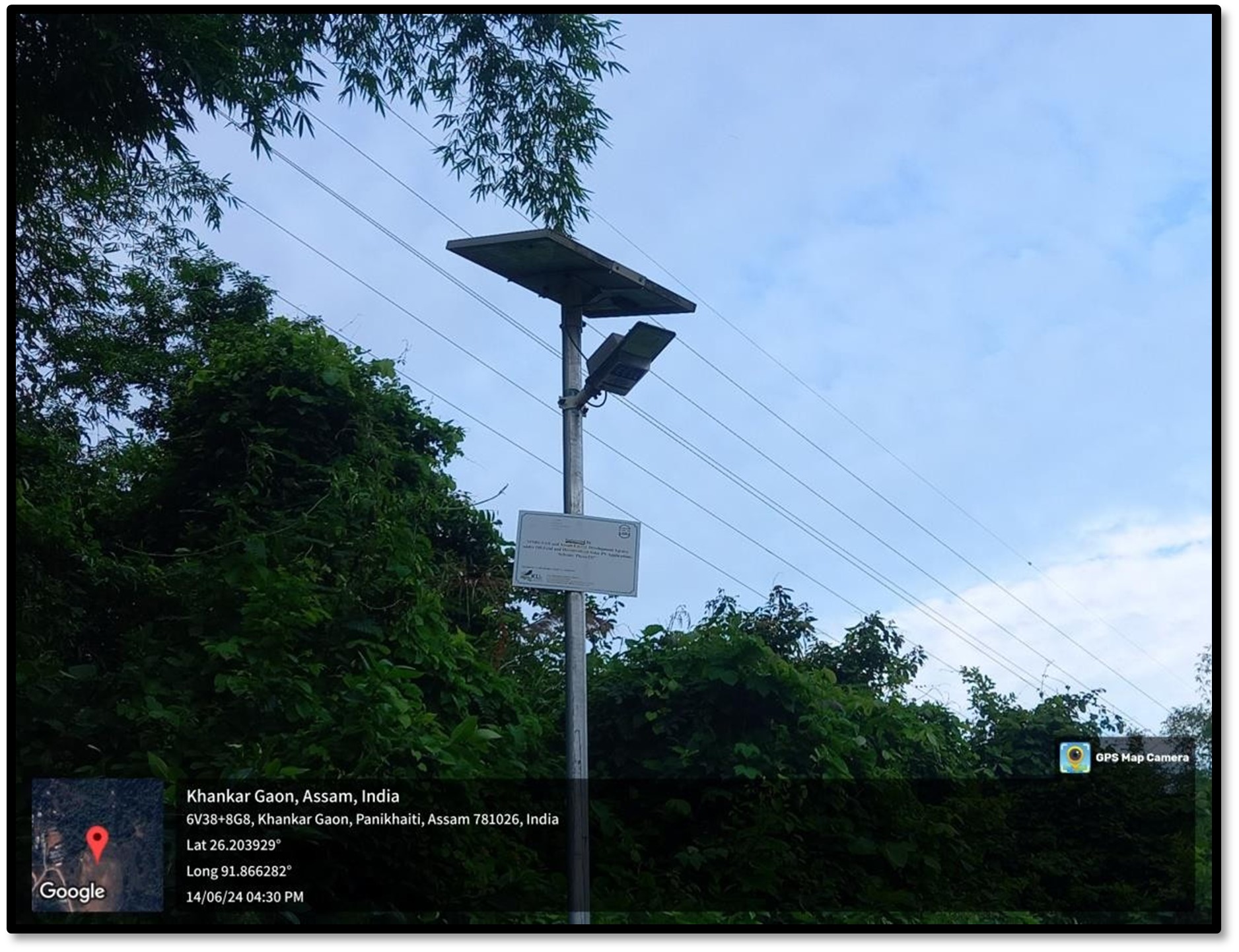
AdtU installed solar street lights to promote sustainability, safety, and cost-effectiveness. AdtU has total 25 numbers of street solar lights installed inside the campus.
Street Solar Light
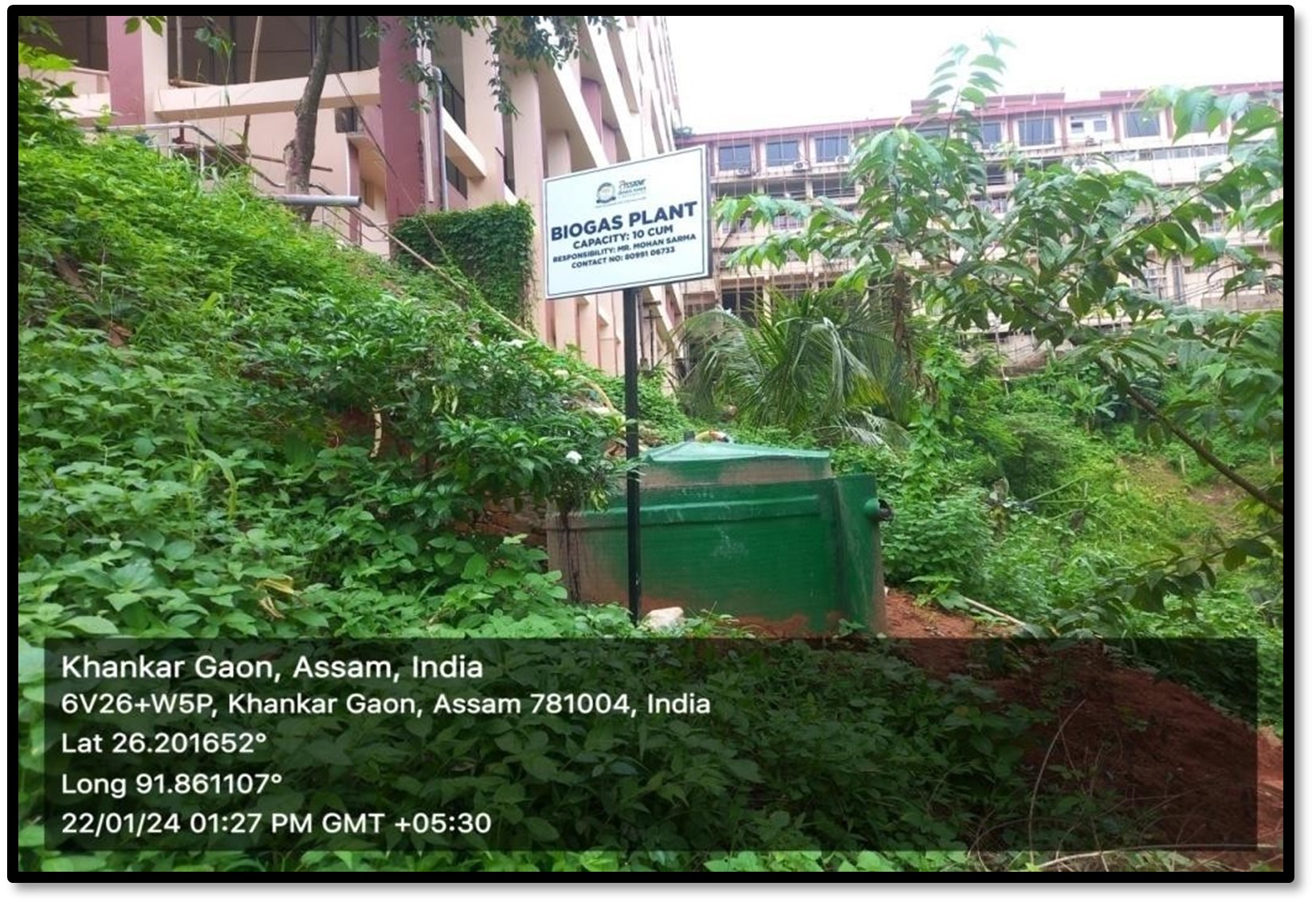
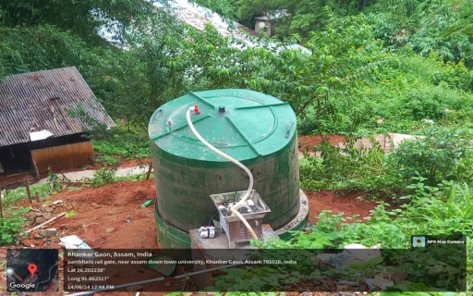
By harnessing the potential of biogas plants, AdtU demonstrating leadership in sustainability, promote innovation and research, engage the community, and contribute to a greener and more resilient future. The organic waste generated from hostel kitchen, mess and canteen are sent to Biogas plant and biogases generated are used for cooking purposes. Bio Gas Plants have been installed in the AdU campus for disposal of organic waste from mess and canteen. A daily record of food waste fed into the plant and gas produced /used is separately maintained. In AdtU FRP base Biodigestor with 10 Cubic meters was utilized.
Biogas plant (Capacity: - 10 cubic meters)
Assam down town University has implemented the Wheeling to Grid system through their 100kWp Rooftop Solar Power Plant. This initiative is part of the university's commitment to sustainable energy and reducing its carbon footprint. The system allows the university to generate renewable energy through solar panels installed on the rooftops of various buildings.
Key aspects of the implementation include:
Wheeling to Grid: The energy generated by these solar panels is connected to the local electricity grid. The term "wheeling to grid" refers to the process of transferring the generated solar power to the main power grid, allowing the university to contribute to the overall energy supply while potentially receiving credits for the power supplied.
Benefits: This system not only supports the university’s energy needs but also promotes the use of clean energy, reducing dependency on non-renewable energy sources. It also helps in lowering electricity costs and minimizing the university's environmental impact.
Overall, the implementation of Wheeling to Grid at Assam down town University is a significant step towards sustainable energy management.
A-Block Rooftop Solar Panel
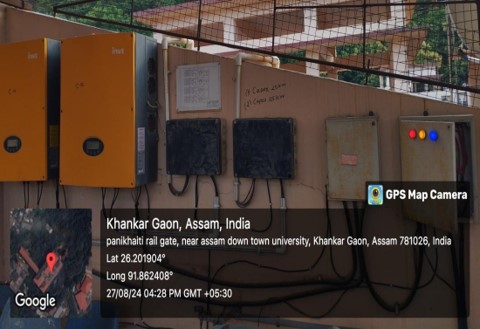
Solar Power Control and Interchanging (Transfer of Solar Generated Electricity to Grid and Vice-Versa) System at University Campus (A-Block)
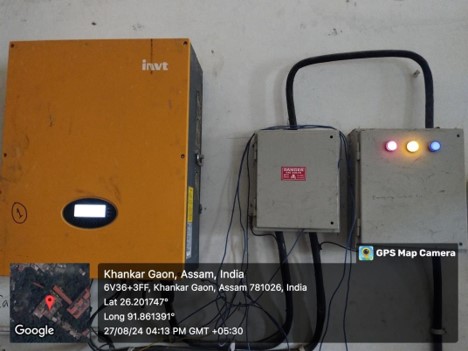
Solar Power Control and Interchanging (Transfer of Solar Generated Electricity to Grid and Vice-Versa) System at University Campus (B-Block)
| Sl.No. | Description |
Remark |
| 1 | Capacity of the SPV Power Plant | 100kWp Solar Plant at the site |
| 2 | Plant at Single site/Multiple Sites | Single |
| 3 | Interconnection with the electricity network at single point or multiple point | Multiple (4 points) point but to single utility. |
| 4 | Availability of shadow free south facing rooftop/land area for the power plant. | 2080 SqM |
| 5 | Calculations and justification for the proposed capacity | Installed Plant capacity is 100kWp under CAPEX mode and left area is utilized by Solar Power Plant under RESCO mode. |
| 6 | Expected annual energy generation | 94995 kWh Units |
| 7 | Space for housing the plant control systems and battery bank(if any) | The inverter will be mounted on the wall and will have Wi-Fi connectivity. The Plant will be having on line remote monitoring system. |
|
Description |
Remark |
| Total connected electrical load in kVA (as per electricity bill) | 341.00kVA |
| Applicable consumer category (domestic/commercial/individual/others, please specify) | Three Phase Domestic. |
| Total electrical load to be met by the SPV power plant(kW) | Grid Connected. |
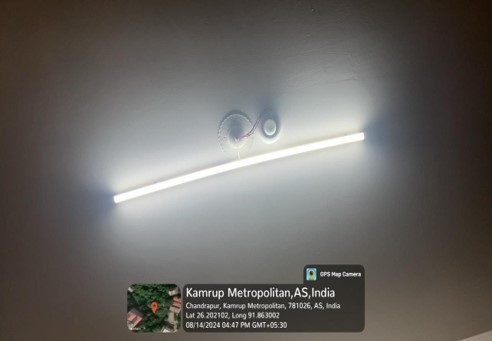
AdtU installed motion sensor lights in K Block to reduce energy consumption. Motion sensor lights offer convenience and comfort by automatically illuminating areas when needed. They eliminate the need for manual switching on and off, especially in spaces where occupants' hands may be occupied or when entering a dark area.
Motion Sensor Light installed in K-Block, AdtU
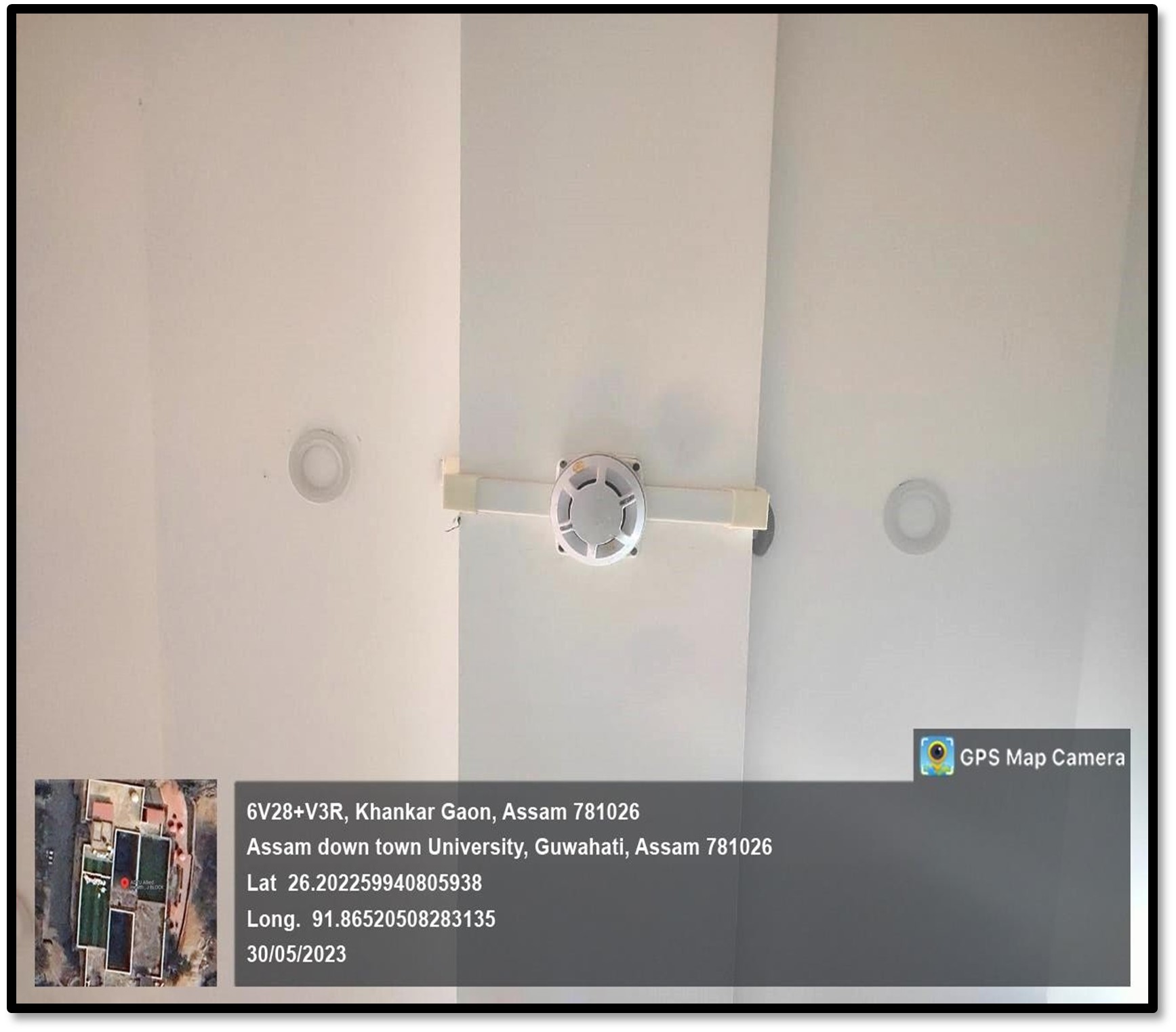
Smoke Detector installed in Labs of J-Block, AdtU
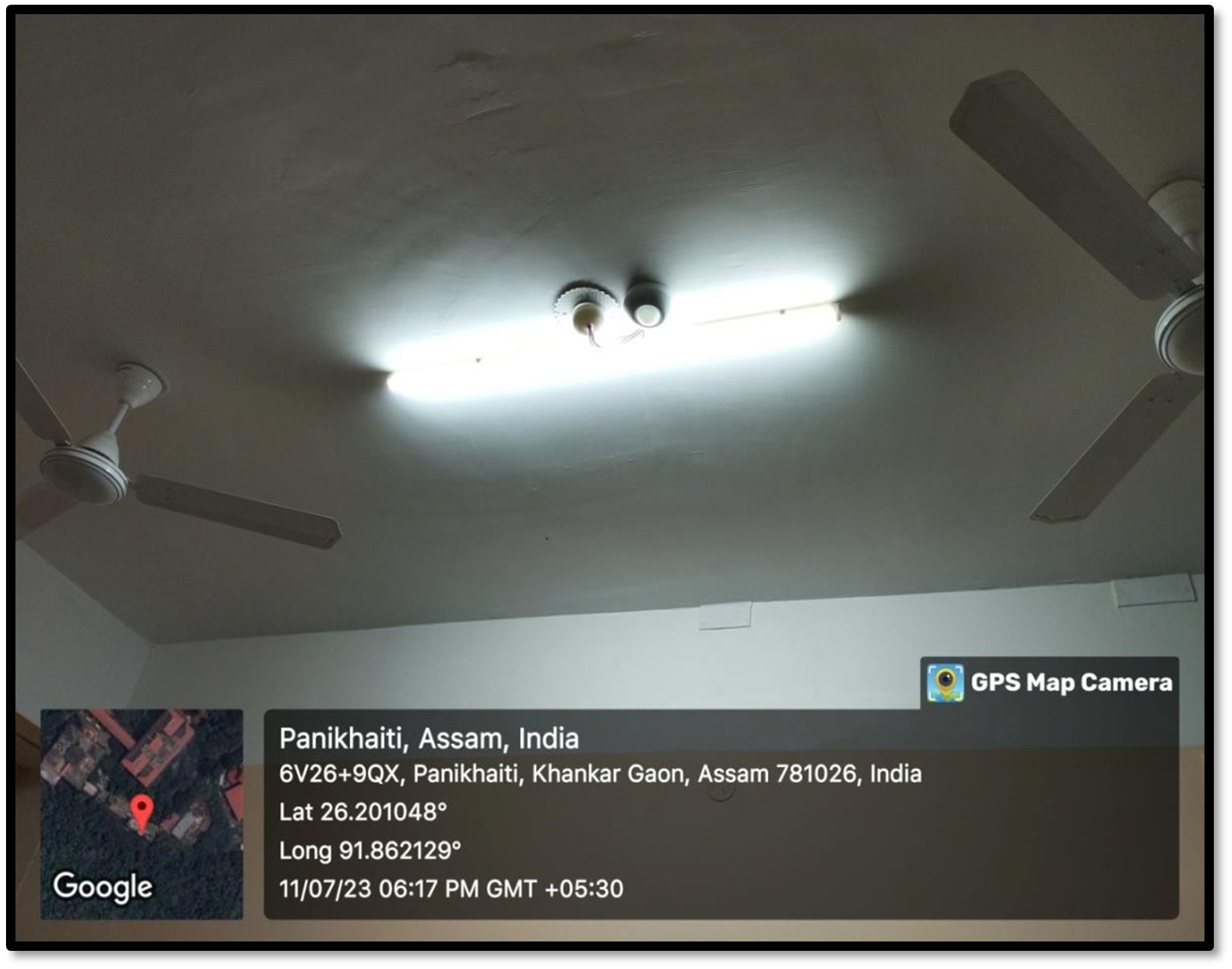
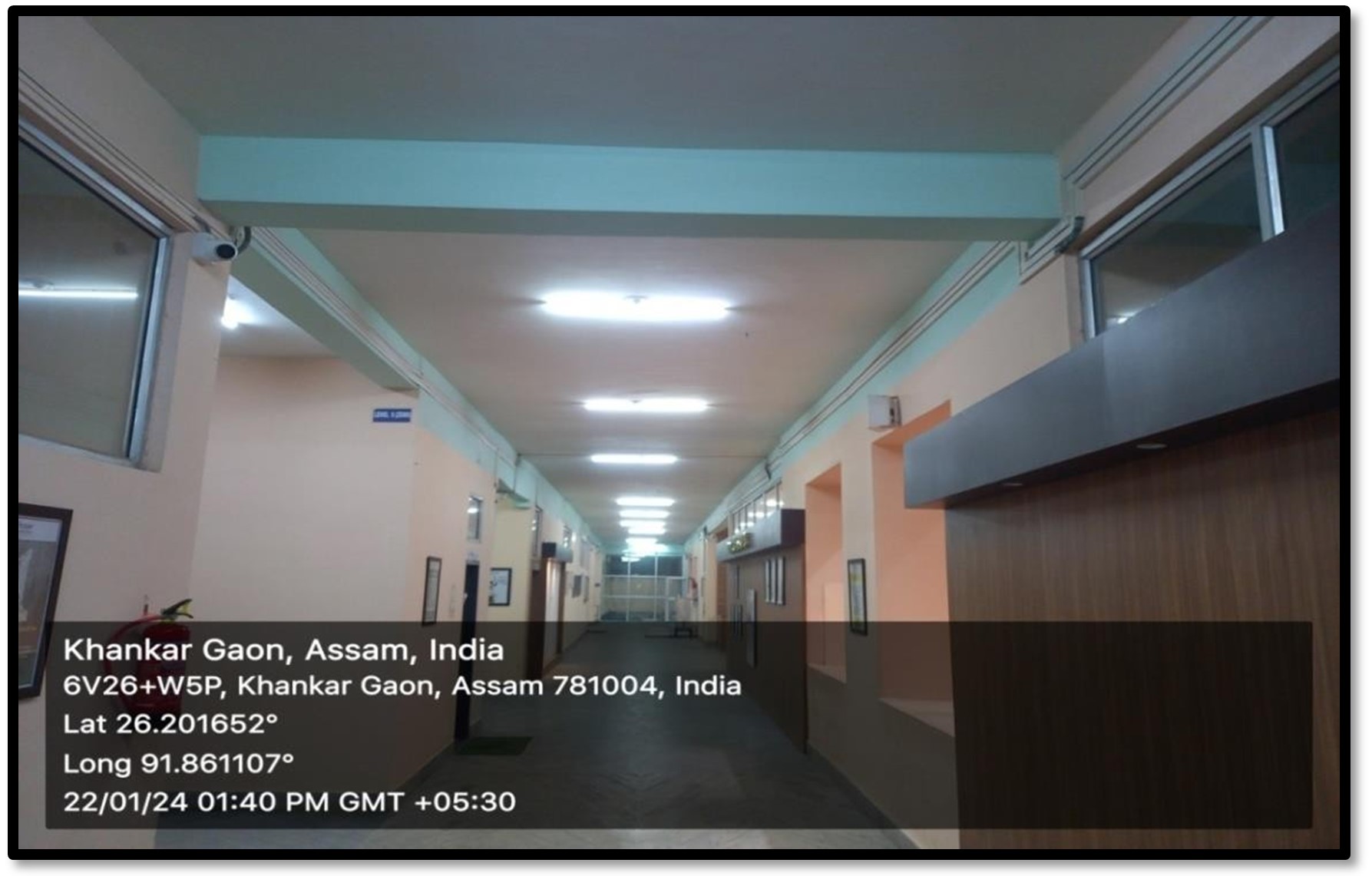
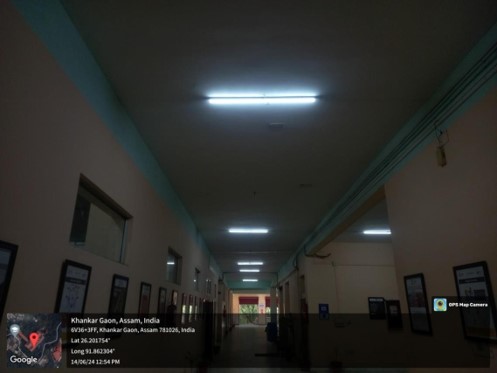
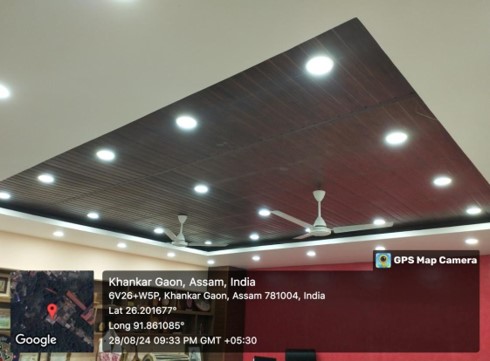
The installation of LED bulbs and power-efficient equipment in throughout the AdtU campus offers numerous benefits including energy savings, improved lighting quality, environmental sustainability, regulatory compliance, financial savings, educational opportunities, enhanced public image, resilience, and innovation.
LED Tube-Lights installed in corridor at B-BLOCK
LED Bulbs installed in Faculty Re-Creation Room at B-BLOCK
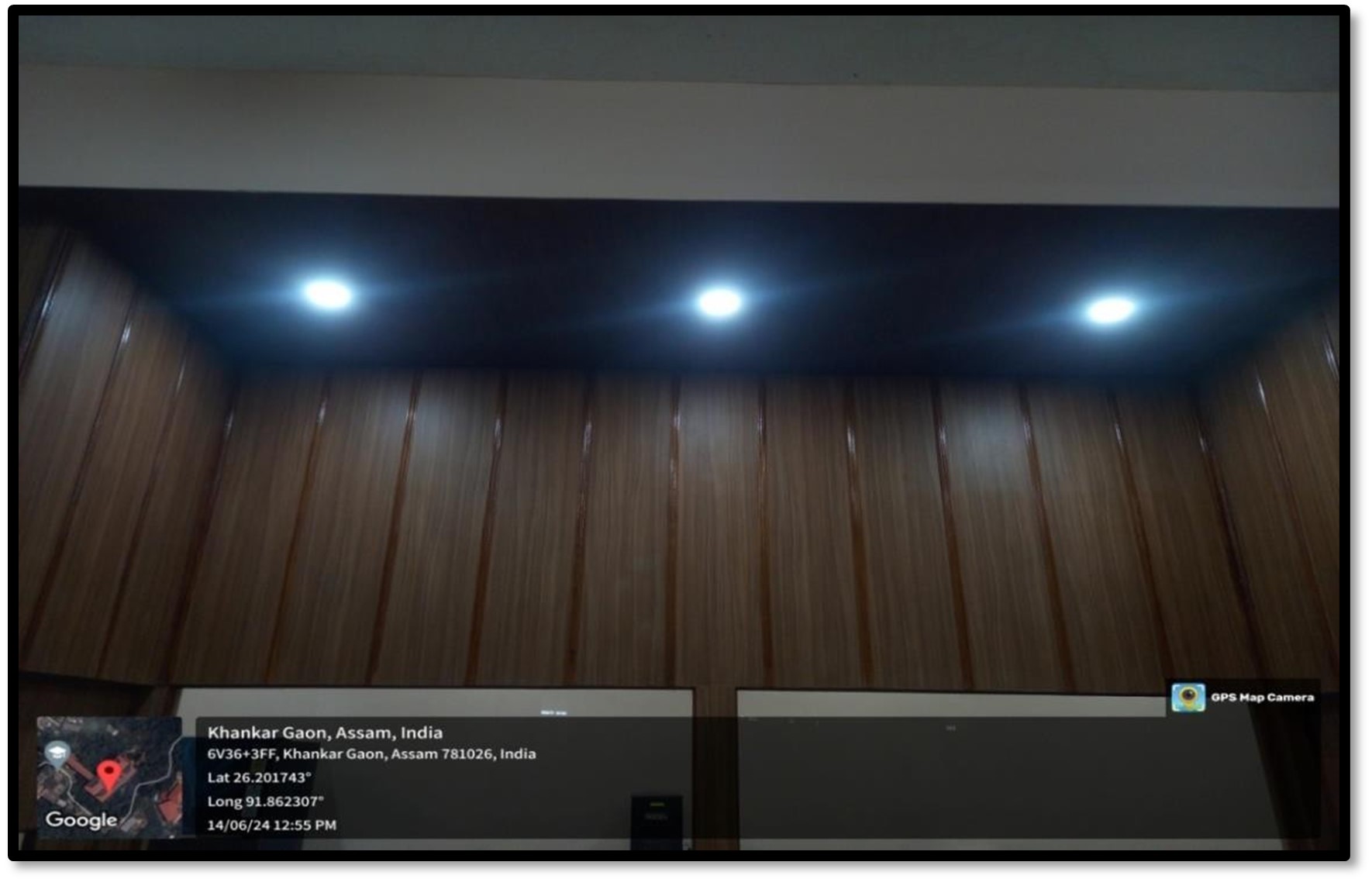
LED Tube-Lights installed in corridor at B-BLOCK
LED Bulbs installed in Meeting Room
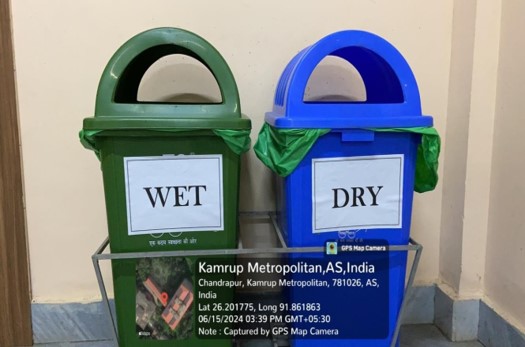
Assam down town University (AdtU), Guwahati offers separate dustbin facilities for dry and wet waste in various prominent areas within the university premises (Fig. 1(a)). Recognizing the importance of waste segregation, AdtU has taken the initiative to ensure convenient and efficient waste management. These designated areas are strategically placed throughout the campus, making it convenient for students, faculty, staff, and visitors to dispose of their waste appropriately. The availability of separate dustbins for dry and wet waste promotes responsible waste disposal and encourages individuals to contribute to a cleaner and greener environment. By providing these facilities, AdtU aims to create awareness about the significance of waste segregation and inspire sustainable practices among its community members.
Dustbin Facility for Dry and Waste inside AdtU Campus
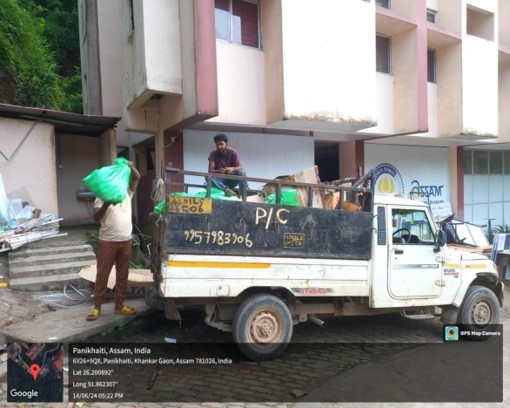
Non-recyclable Waste Collection by Authorised Vendor; in AdtU Campus
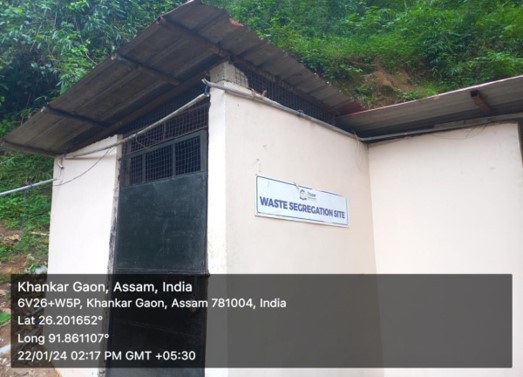
Waste Segregation Site at Assam down town University
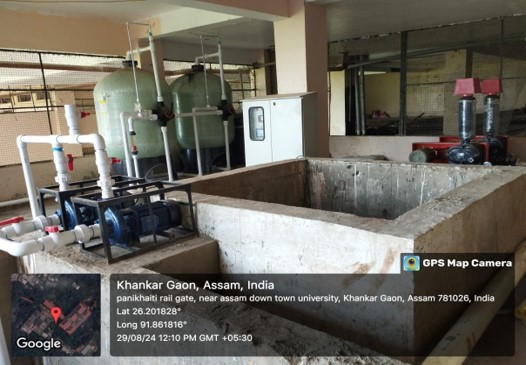
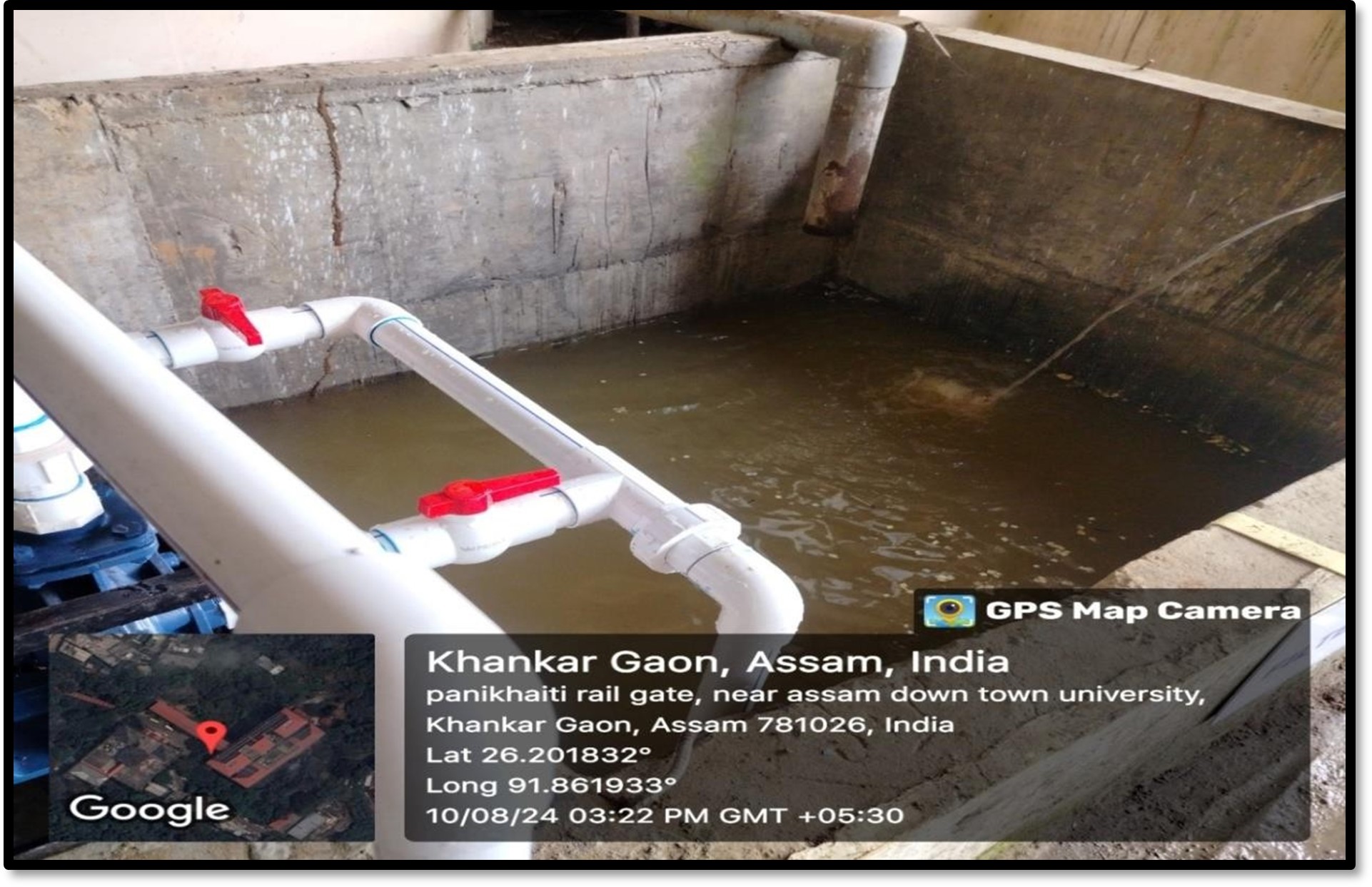
The ETP cum STP has a capacity of 250 KLD, producing approximately 200 KLD of reusable water daily. This water is utilized for flushing and irrigating the campus gardens and lawns. The compost generated is used as manure for the gardens. As a result, all wastewater produced on campus is thoroughly treated and efficiently repurposed.
ETP cum STP having capacity of 250 KLD is installed at AdtU
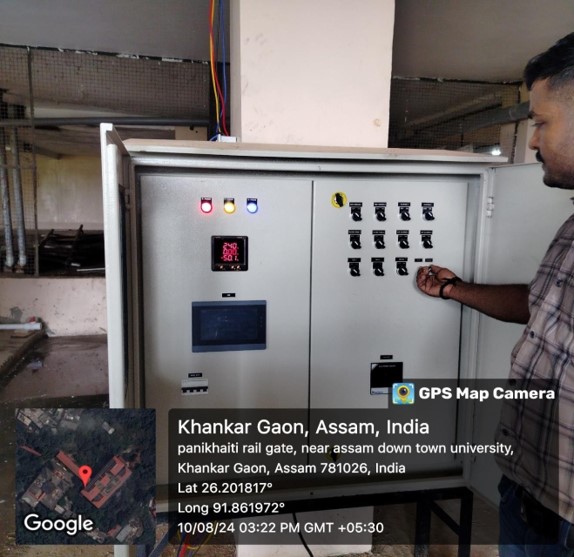
Assam down town University manages its bio-medical waste in collaboration with “Fresh Air Waste Management Service Pvt Ltd.” having registered office at FATASHIL, G.S. COLONY, Guwahati, Assam to ensure safe and compliant disposal. The waste, including sharps, infectious materials, and other hazardous substances, is segregated at the source using color-coded bins. The agency handles the collection, treatment, and disposal of these wastes following regulatory standards. Additionally, one of the best ways to dispose of menstrual waste is to incinerate sanitary napkins using electrical or physical fire-based incinerators without allowing the smokes generated in the process to escape into the atmosphere.
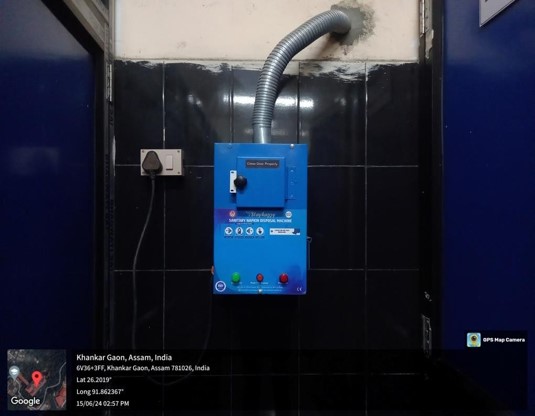
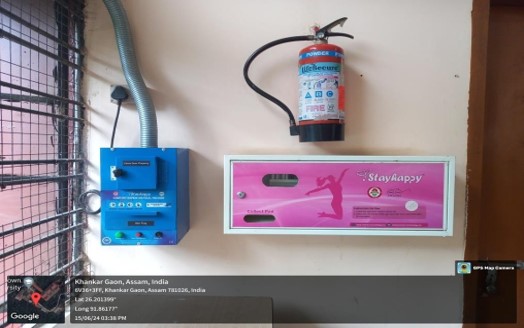
Assam down town University (AdtU) installed the sanitary incinerated machines in girl’s common room and washrooms for the proper hygienic disposal of menstrual waste and sanitary napkins.
Sanitary Napkin Incinerator: Women’s Washroom
Sanitary Napkin Incinerator: Girl’s Common Room
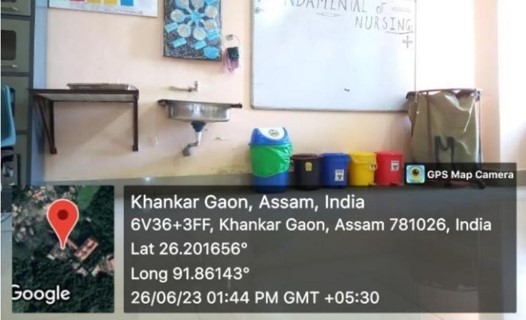
AdtU, Guwahati has implemented a systematic approach for the collection of biomedical waste by providing different-colored dustbins. Understanding the critical nature of handling biomedical waste, the University ensures proper segregation and disposal to maintain a safe and healthy environment for its community. The use of different colored dustbins in appropriate places in sufficient quantity helps distinguish between various types of biomedical waste, such as sharp objects, contaminated materials, or hazardous substances. This segregation system allows for the appropriate disposal and treatment of biomedical waste, reducing potential risks to human health and the environment.
Collection of Biomedical Waste in Different Colored Dustbins
Needle Disposable Facility inside AdtU Campus
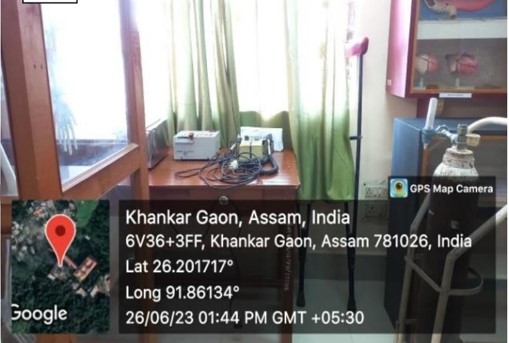
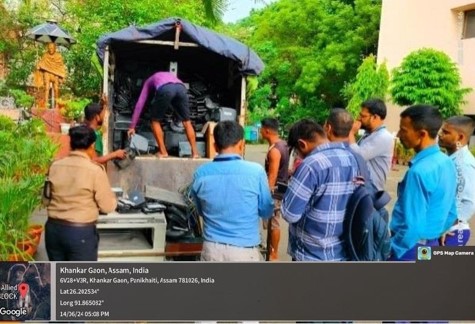
Assam down town University (AdtU), Guwahati places great emphasis on the responsible disposal of e-waste within its campus. Recognizing the environmental and health hazards associated with electronic waste, the university has implemented a comprehensive e-waste management system. Special collection points and designated bins are provided to facilitate the proper disposal of electronic devices such as computers, laptops, mobile phones, and other electronic equipment. AdtU follows established guidelines and collaborates with authorized e-waste recyclers to ensure that these items are recycled or disposed of safely and in an environmentally friendly manner. By adopting such measures, AdtU contributes to reducing the environmental impact of electronic waste and demonstrates its commitment to sustainability and responsible waste management.
Collection of E-waste inside AdtU Campus
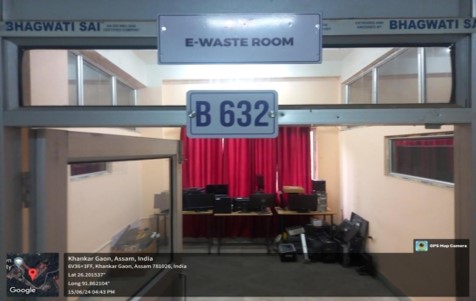
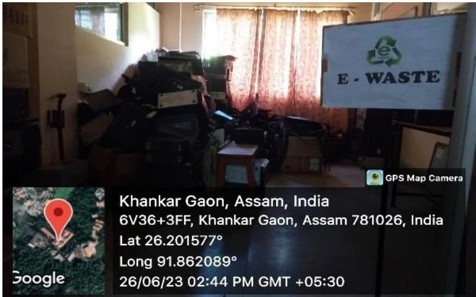
Disposal of E-waste inside AdtU Campus
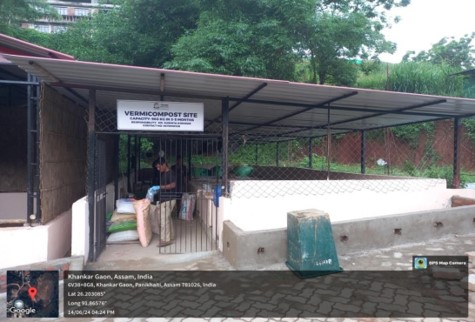
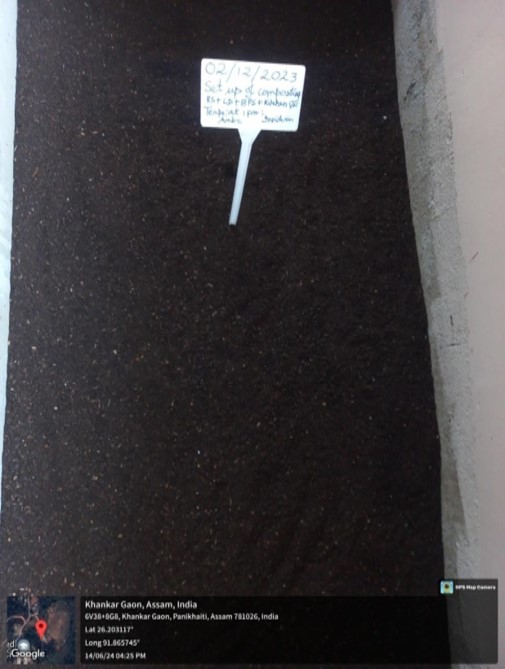
Assam down town University (AdtU) has established a vermicomposting site as a key component of its waste recycling system, reflecting its dedication to sustainable waste management practices. The vermicomposting site has a capacity of 960 kilograms, capable of processing organic waste within a span of 3 to 5 months. Vermicomposting is an eco-friendly process that utilizes earthworms to decompose organic waste, converting it into nutrient-rich compost. At AdtU, organic waste from various sources such as kitchen scraps, garden clippings, and other biodegradable materials is collected and processed at the vermicomposting site. The earthworms break down this waste, producing high-quality compost that is rich in essential nutrients and beneficial microorganisms. The resulting compost is then used to enhance soil fertility in the university’s gardens and agricultural projects, promoting healthy plant growth and reducing the need for chemical fertilizers. This not only aids in waste reduction but also supports sustainable agriculture practices on campus. By adopting vermicomposting, AdtU demonstrates its commitment to environmental sustainability and responsible waste management, creating a closed-loop system that benefits both the environment and the university community.
Vermicomposting Site (Capacity: - 960 KG in 3-5 months) inside AdtU Campus
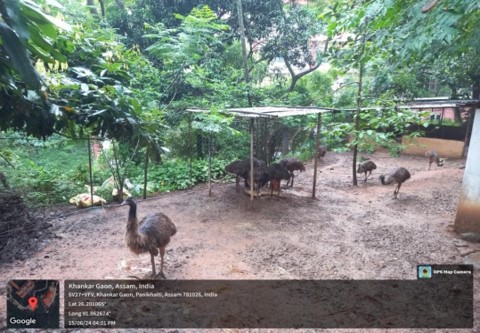
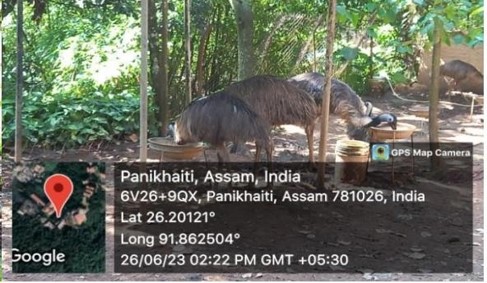
Assam down town University (AdtU), Guwahati adopts an innovative approach to the utilization of food waste by maintaining anemu bird farm. Recognizing the potential of food waste as a valuable resource, the University implements sustainable practices to minimize waste and create a beneficial outcome. Instead of disposing of food waste, AdtU redirects it to the emu bird farm, where it serves as a nutritious feed for the animals. This practice not only reduces the environmental impact of food waste but also promotes a circular economy by converting waste into a valuable resource. By employing this approach, AdtU demonstrates its commitment to responsible waste management, sustainable agriculture, and resource conservation, contributing to a more eco-friendly and self-sufficient campus environment.
Emu Bird Farm maintained inside AdtU Campus (an innovative approach to the utilization of Food Waste by maintaining Emu Bird Farm)
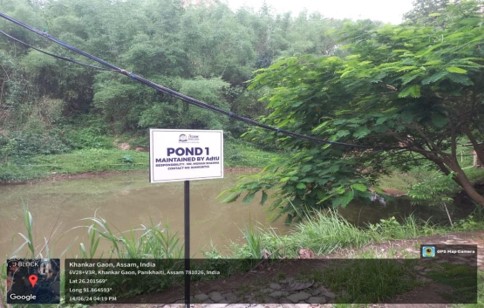
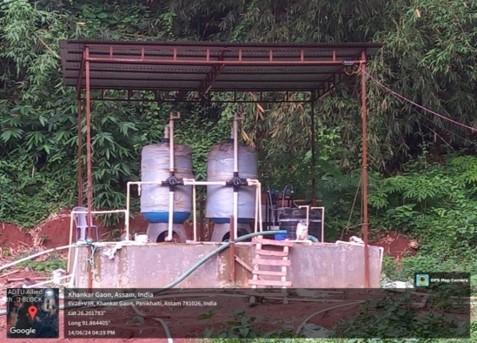
Assam down town University (AdtU) has implemented an innovative and sustainable approach to water management by recycling pond water through its water treatment plant. This initiative aligns with the university's commitment to environmental conservation and sustainable practices. The water treatment plant at AdtU employs advanced filtration and purification technologies to treat pond water, transforming it into clean, usable water for various purposes. The process involves multiple stages, including sedimentation, filtration, and disinfection, ensuring that the recycled water meets quality standards.
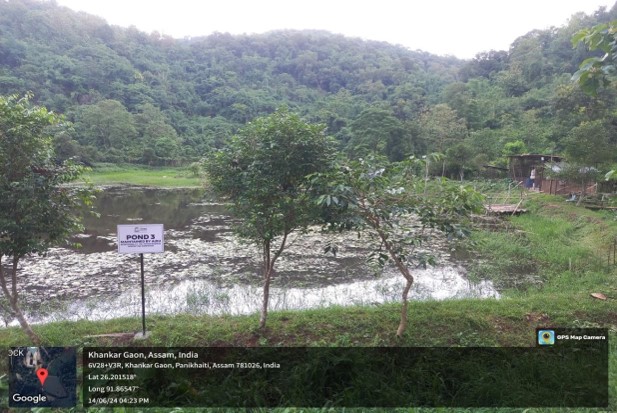
Natural Pond 1 (Waste Water Recycle) maintained by Assam down town University
Water Treatment Plant (Waste Water Recycle) for Pond Water installed near Pond1 in AdtU campus
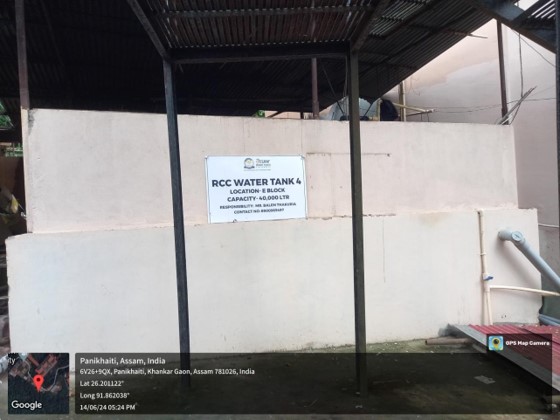
The rainwater harvesting system at Assam down town University facilities consists of multiple blocks with different tank capacities. Block A have tanks with a capacity of 40,000 litters, while Block B has a larger tank holding 150,000 liters. Blocks E and J feature tanks with a capacity of 40,000 liters each. These tanks collect rainwater from various surfaces and store it for non-potable uses within the university, reducing reliance on groundwater and municipal water supply. The system promotes water conservation, mitigates storm water runoff, and demonstrates the university's commitment to sustainability.
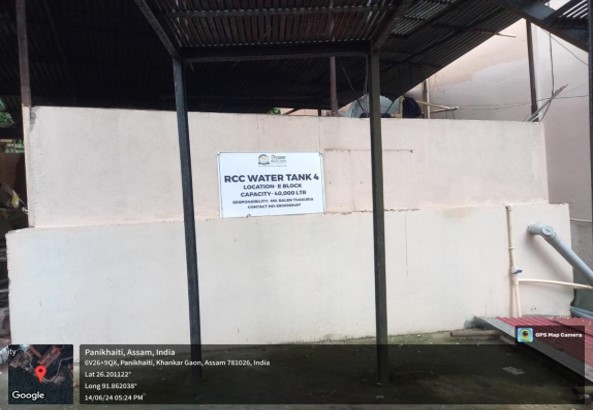
RCC Water tank (E Block) for Rain Water Harvesting
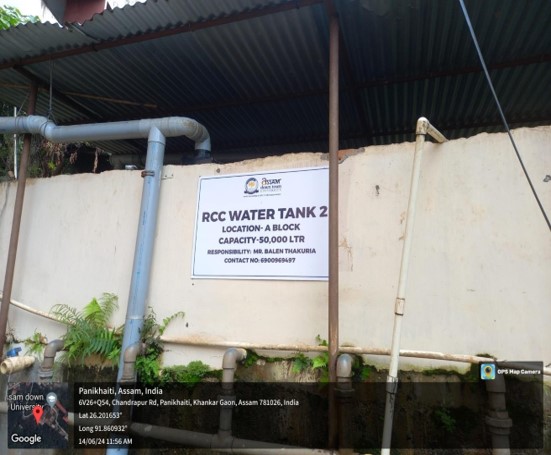
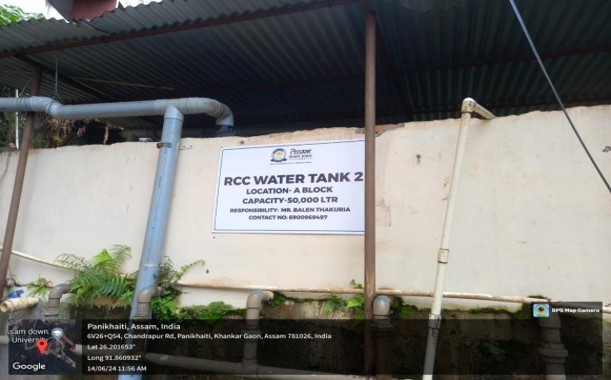
RCC Water tank (A Block) for Rain Water Harvesting
A SUMP for Rain Water Harvesting
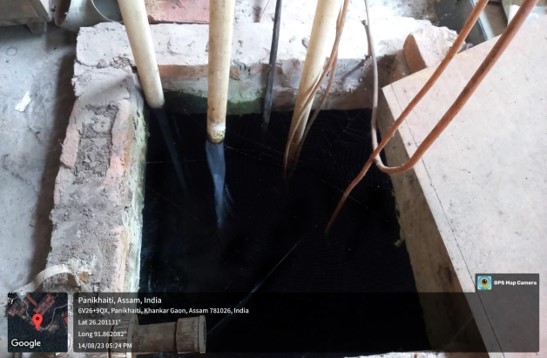
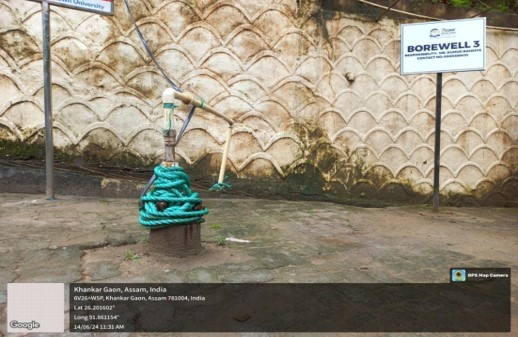
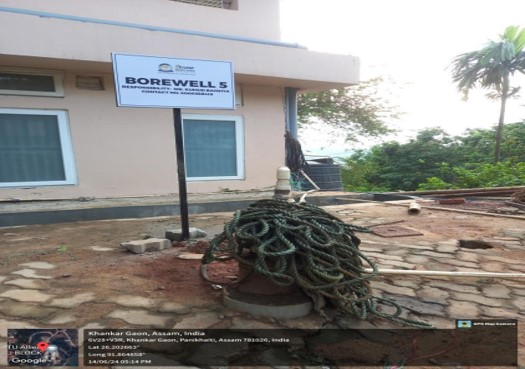
Assam down town University (AdtU) is committed to providing reliable and sustainable water resources to support its campus operations. To meet the water demands of the university, a total of 14 borewells have been installed at various locations within the campus.
Borewell No. 3 at AdtU Campus
Borewell No. 5 at AdtU Campus
To enhance water conservation and management on campus, Assam down town University (AdtU) has undertaken the construction of tanks and bunds. These structures are designed to collect, store, and manage water resources effectively, contributing to the university's sustainability goals and supporting its various operational needs.
RCC Water tank:
| RCC Water Tank Number | Location | Capacity |
| RCC Water Tank 1 | A Block | 150,000 ltr |
| RCC Water Tank 2 | A Block | 50,000 ltr |
| RCC Water Tank 3 | B Block | 150,000 ltr |
| RCC Water Tank 4 | E Block | 40,000 ltr |
| RCC Water Tank 5 | J Block | 40,000 ltr |
| RCC Water Tank 6 | H Block | 50,000 ltr |
| RCC Water Tank 7 | H Block | 30,000 ltr |
| RCC Water Tank 8 | I Block | 30,000 ltr |
Water Tank (Sintex):
| Water Tank (Sintex) Number | Location | Quantity | Capacity (Per Sintex Water Tank) |
| Water Tank 1 | A Block | 14 | 2000 ltr |
| Water Tank 2 | B Block | 16 | 2000 ltr |
| Water Tank 3 | E Block | 9 | 2000 ltr |
| Water Tank 4 | F Block | 7 | 2000 ltr |
| Water Tank 5 | I Block | 6 | 2000 ltr |
| Water Tank 6 | J Block | 8 | 2000 ltr |
| Water Tank 7 | K Block | 6 | 2000 ltr |
| Water Tank 8 | M Block | 4 | 2000 ltr |
| Water Tank 9 | L Block | 5 | 2000 ltr |
| Water Tank 10 | Guest House | 5 | 2000 ltr |
| Water Tank 11 | Staff Quarter | 6 | 2000 ltr |
RCC Water Tank 1 (Location: A Block)
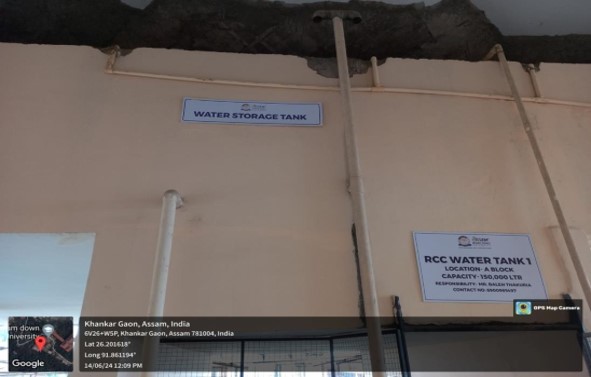
RCC Water Tank 4 (Location: E Block)
RCC Water Tank 2 (Location: A Block)
Bunds
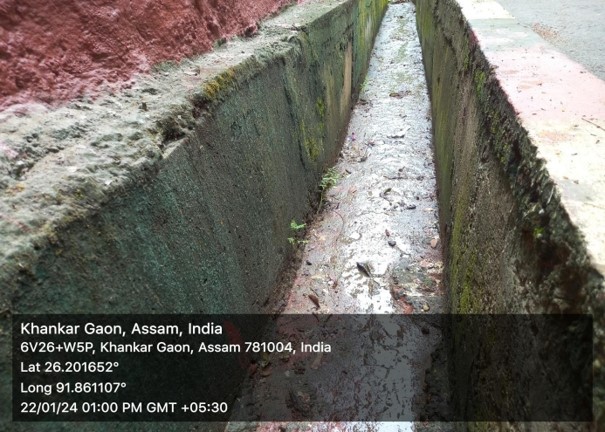
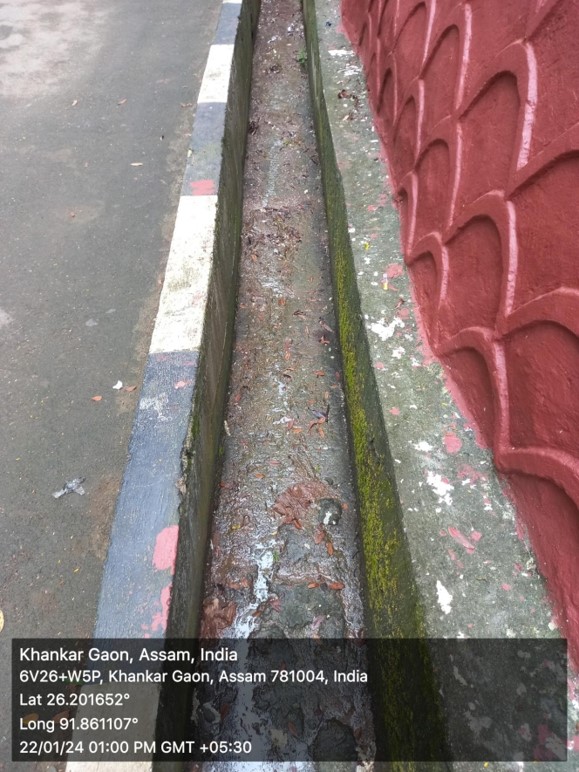
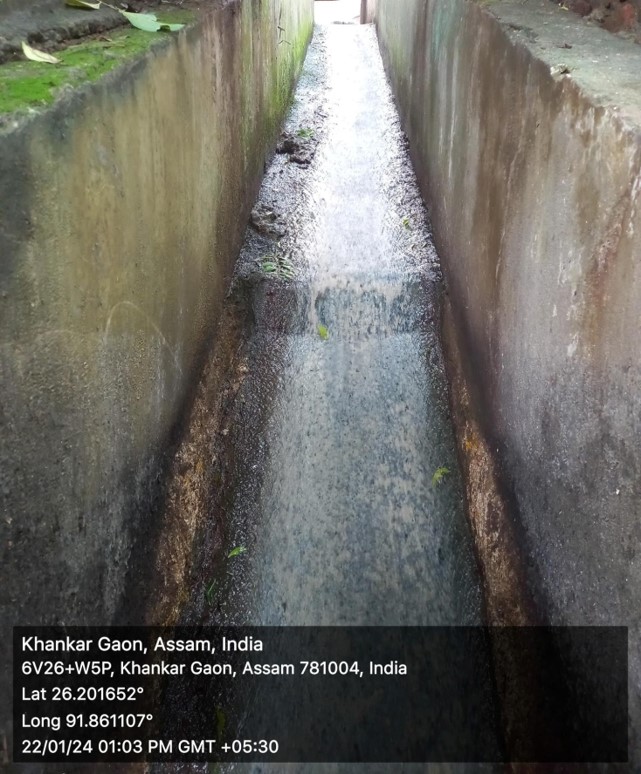
Bund created to store spring water
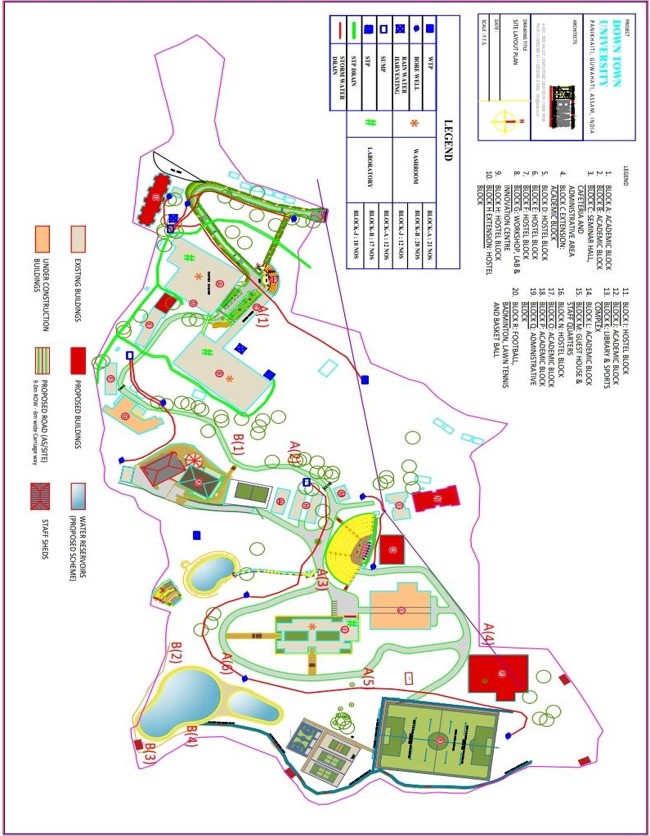
AdtU Water Distribution Flow Chart/ Diagram
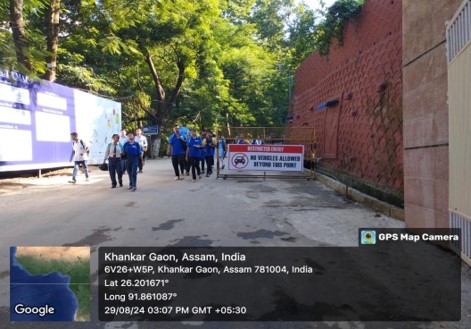
To enhance campus safety, reduce congestion, and promote a cleaner environment, Assam down town University (AdtU) has implemented restrictions on the entry of automobiles into certain areas of the campus.
Display Board of Restricted Entry for Vehicles near Main Entrance Gate
Display Board of Restricted Entry for Vehicles near Ethnic Canteen
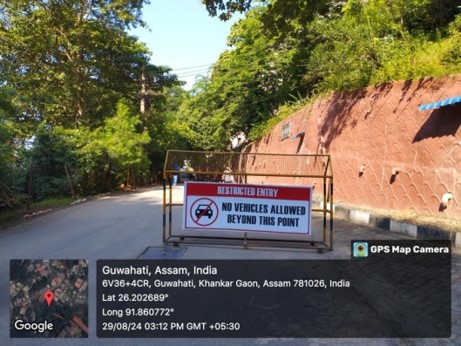
Display Board of Restricted Entry for Vehicles near K-Block
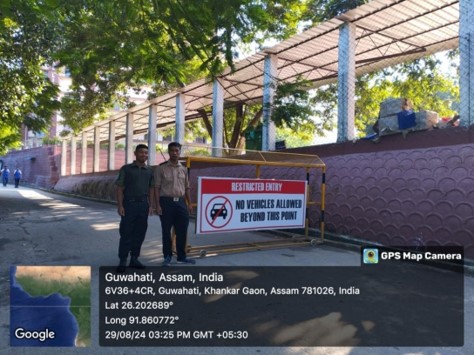
Display board of restricted entry for vehicles
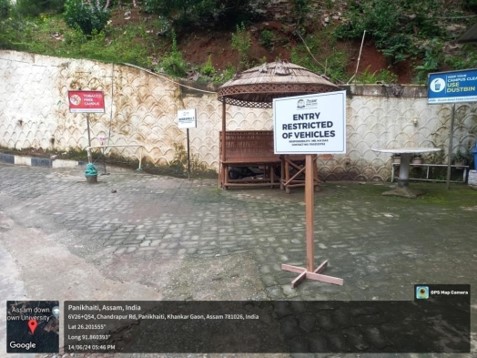
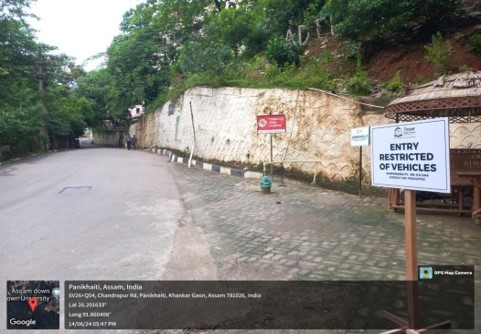
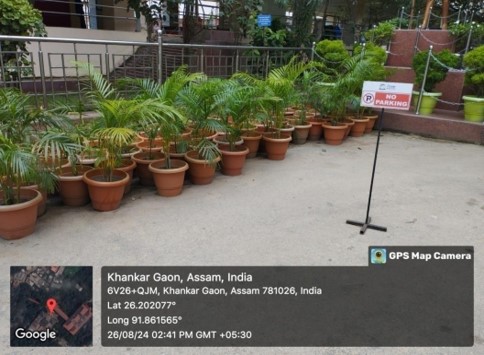
Display board of No Parking for inside the AdtU Campus
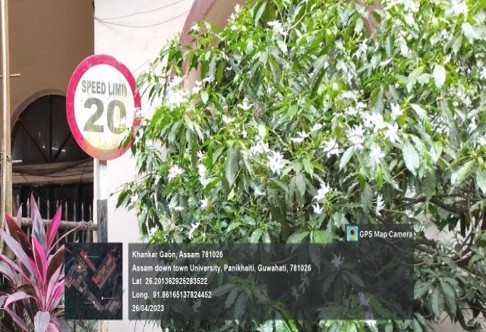
Display board for Maintaining Speed Limit inside the AdtU Campus
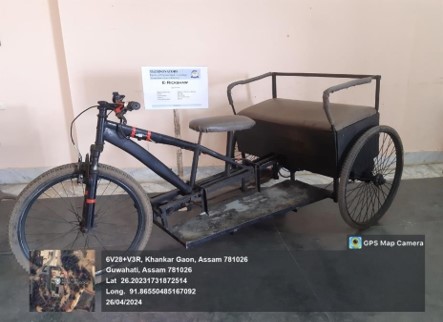
Due to Assam down town University's location in a hilly terrain, common E-rickshaws are not efficient for campus mobility. To address this, the university has introduced electric cars on the campus. Additionally, students from the Faculty of Engineering have developed an E-rickshaw designed specifically for the university's terrain. This initiative supports the university's commitment to reducing its carbon footprint and fostering an eco-friendly campus environment.
E-Rickshaw Designed by the Students of Faculty of Engineering and Technology
Electric Vehicle

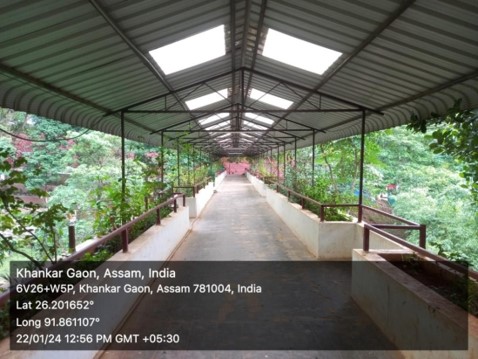
Assam down town University (AdtU) has undertaken the development of pedestrian-friendly pathways to improve campus accessibility, safety, and overall user experience.
Pedestrian Friendly pathway for staff and students
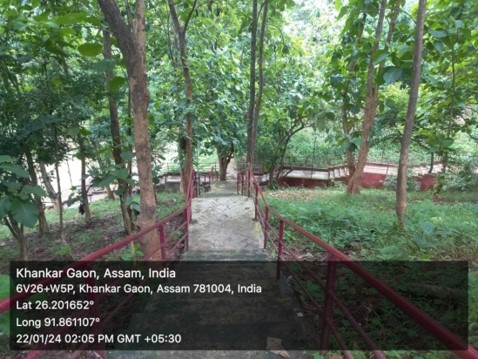
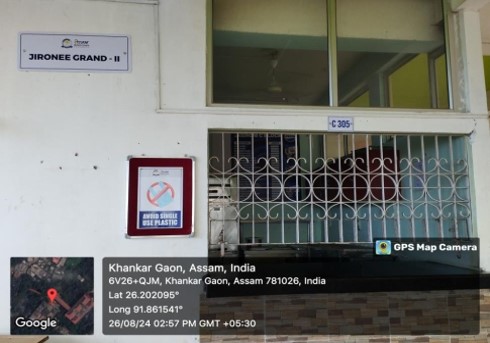
The ban on plastic at Assam down town University, including the prohibition of plastic plates in canteens, elimination of plastic bags, and other measures, has significantly contributed to waste reduction, environmental sustainability, and campus cleanliness. By addressing challenges and continuing to support and promote eco-friendly practices, AdtU can further advance its commitment to creating a sustainable and environmentally responsible campus.
AdtU Promotes “Avoid Single use Plastic” at the Canteen (Jironee Grand-II)
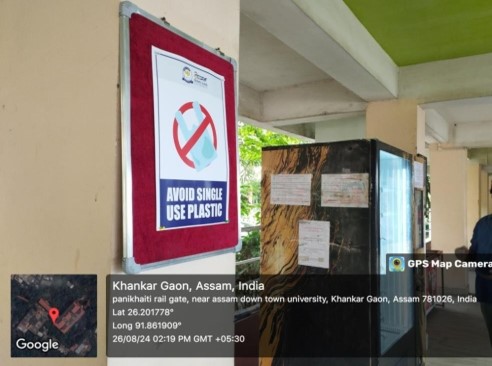
AdtU Promotes “Avoid Single use Plastic” at the Boy’s Canteen
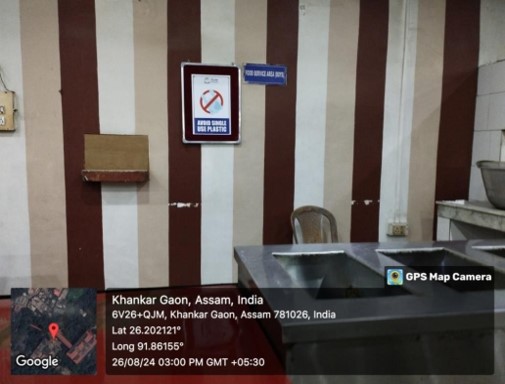
AdtU Promotes “Avoid Single Use Plastic” at B-Block
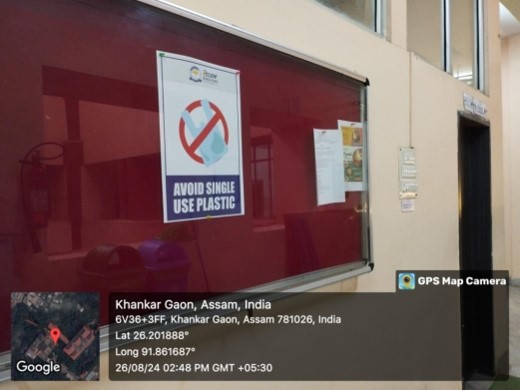
AdtU Promotes “Avoid Single Use Plastic” at K-Block
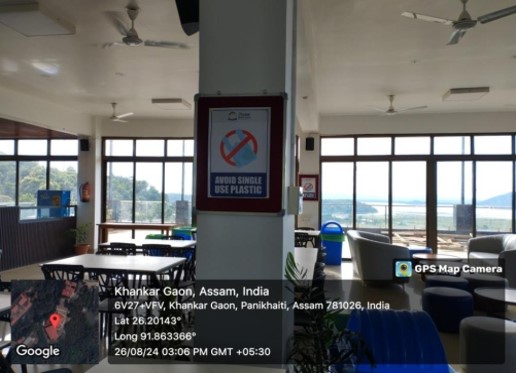
AdtU Promotes “Avoid Single use Plastic” at J-Block
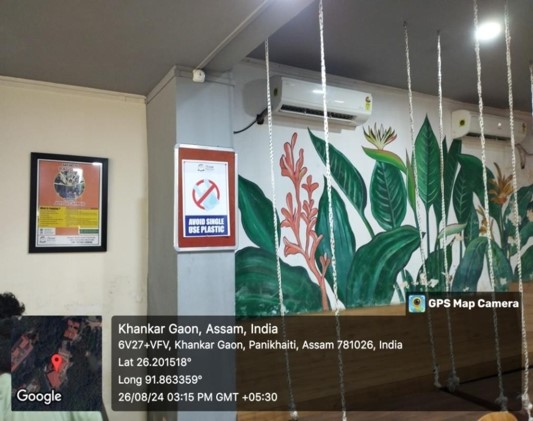
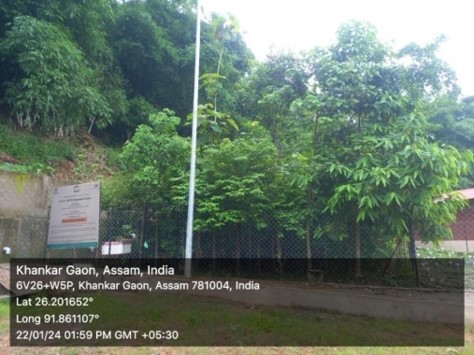
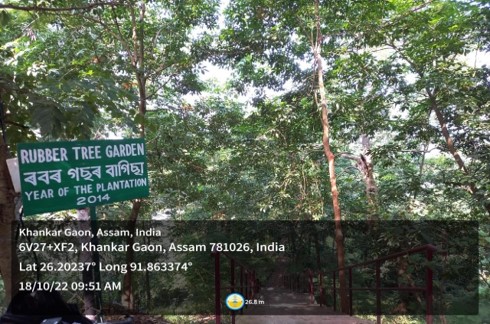
The "Landscaping with trees and plants" initiative at Assam down town University involves the establishment of a Miyawaki Forest, a Herbal Garden, and a Rubber Tree Garden within the campus. This initiative reflects the university's commitment to environmental sustainability and biodiversity, enhancing the campus's aesthetic and ecological value.
Miyawaki Forest in AdtU Campus
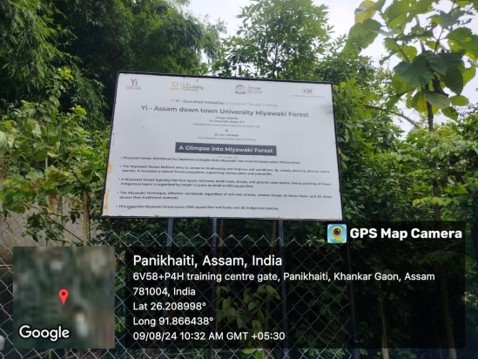
Rubber Tree Garden in AdtU Campus
Herbal Garden in AtdU campus